


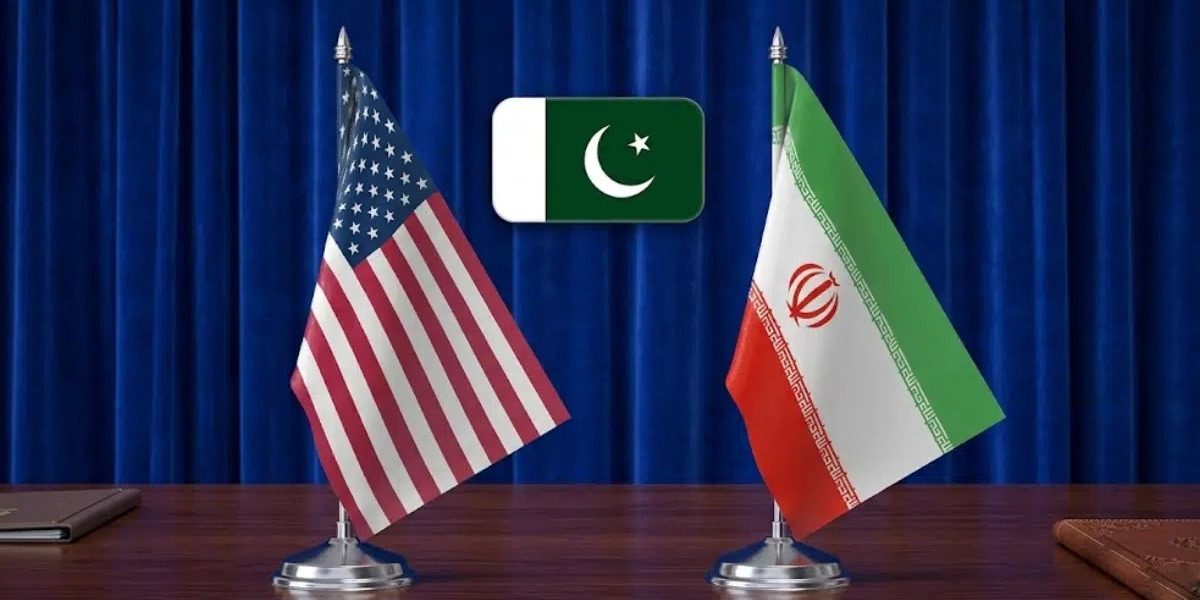
As of April 11, 2026, the world is watching closely as high-level US-Iran negotiations kick off in Islamabad, Pakistan. These talks aim to transform a fragile two-week ceasefire into a lasting peace agreement, potentially ending the 2026 Iran-USA war that erupted just six weeks ago. Pakistan has emerged as a crucial diplomatic bridge, hosting what many are calling a "make-or-break"
Background: How the Iran-USA War Started in February 2026
The conflict, often referred to as the 2026 Iran war, began on February 28, 2026, when the United States and Israel launched coordinated airstrikes on Iranian military sites, nuclear facilities, and leadership targets. Code-named Operation Epic Fury by the US, the strikes resulted in the assassination of Supreme Leader Ali Khamenei and significant damage to Iran's missile and air defense systems.
Iran responded with retaliatory drone and missile attacks across the Middle East, targeting US bases, Israel, and Gulf states. The fighting disrupted global oil supplies through the Strait of Hormuz, caused thousands of casualties, and displaced millions. After more than five weeks of intense clashes, both sides agreed to a two-week ceasefire on April 7-8, 2026, paving the way for today's talks in Pakistan.
Current Status: Two-Week Ceasefire and Why Talks Matter Now
The ceasefire, brokered with Pakistan's mediation, has paused direct hostilities but remains extremely fragile. Ongoing tensions in Lebanon, uncertainty over the Strait of Hormuz, and Iran's nuclear capabilities continue to test the truce. US President Donald Trump has warned of renewed strikes if no deal is reached, while Iran insists on preconditions before full negotiations.
Today's negotiations in Islamabad are the first direct (and indirect) high-level meetings since the war began. Failure could lead to escalation; success could reshape Middle East stability and global energy markets.
US-Iran Negotiations in Pakistan: Who's Attending and Where
Pakistan has rolled out unprecedented security in Islamabad, declaring a two-day public holiday, sealing the Red Zone, and deploying over 10,000 personnel. The talks are centered at secure venues like the Serena Hotel.
US Delegation:
Led by Vice President JD Vance
Includes Trump's special envoy Steve Witkoff and Jared Kushner
Iranian Delegation:
Led by Parliament Speaker Mohammad Bagher Ghalibaf
Includes Foreign Minister Abbas Araghchi
Pakistan's Prime Minister Shehbaz Sharif is personally overseeing mediation, describing the summit as a "make-or-break moment" for regional peace.
Pakistan's Pivotal Role: From Mediator to Global Diplomatic Player
Pakistan's involvement marks a major diplomatic win for the country. As a nation with strong ties to both the US (through security partnerships) and Iran (through cultural and economic links), Islamabad has facilitated indirect talks for months. Prime Minister Shehbaz Sharif's government passed proposals between the sides and helped secure the initial ceasefire.
Outlook: What Happens Next?
As delegations sit down in Islamabad today, the eyes of the world are on Pakistan. A breakthrough could end the 2026 Iran-USA war and usher in a new era of diplomacy. Failure risks renewed conflict with devastating consequences.
Stay tuned for live updates on these historic US-Iran negotiations in Pakistan. For the latest on the Iran USA war 2026, bookmark this page and follow developments from Islamabad.