


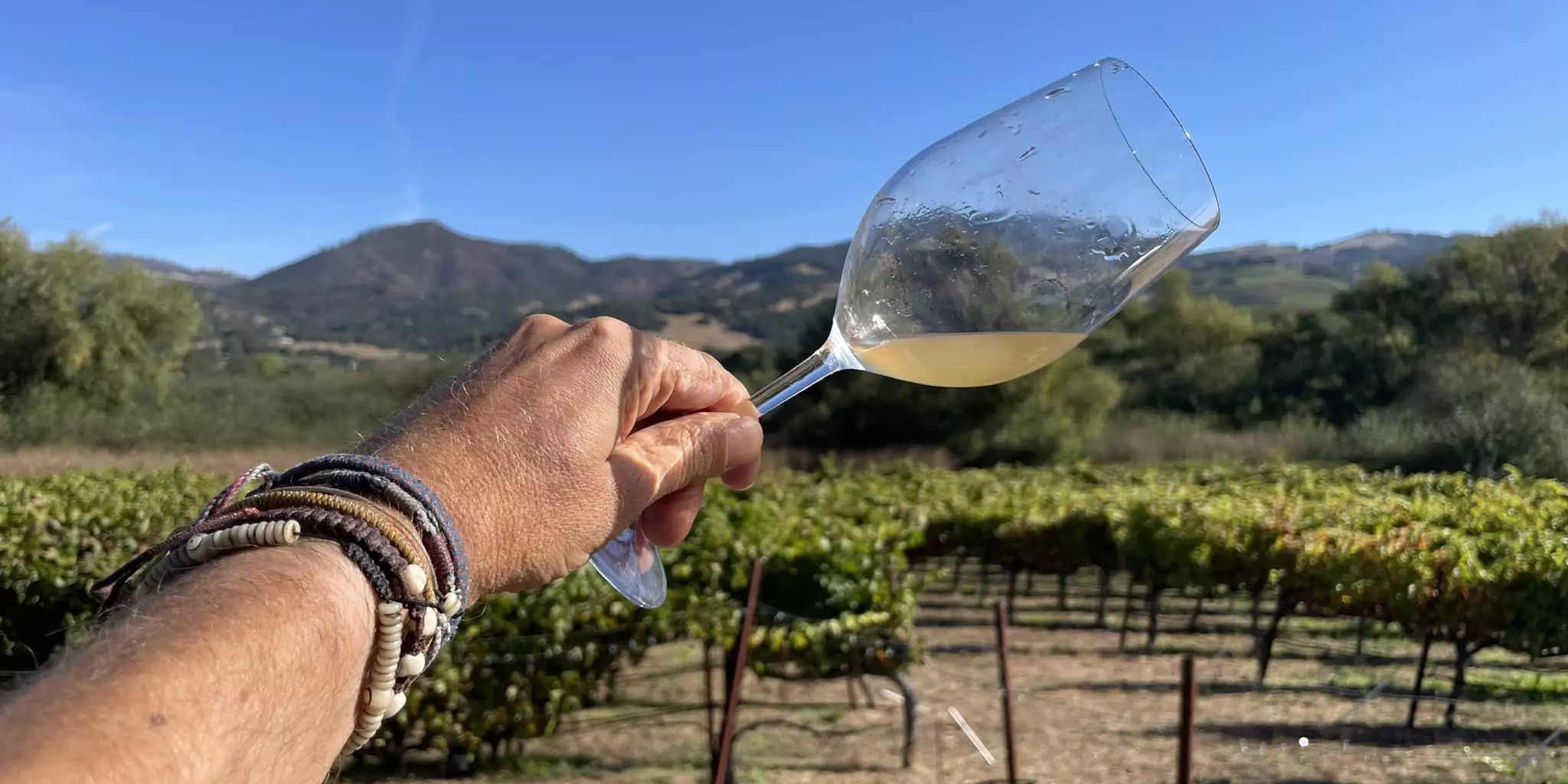
Sonoma Valley is one of California's most fascinating wine regions. With its diverse landscapes, changing temperatures, rich soils, and long history of winemaking, Sonoma produces an incredible variety of wines.
But if you're new to Sonoma wine, you might be wondering: What wine is Sonoma Valley actually known for?
The short answer is that Sonoma doesn't have just one signature wine. The region is famous for several world-class grape varieties, each finding its own expression depending on where it is grown.
From elegant Chardonnay and Pinot Noir to powerful Cabernet Sauvignon and historic Zinfandel, Sonoma offers something for virtually every wine lover.
Why Is Sonoma So Good for Wine?
One of the things that makes Sonoma special is its diversity.
The region includes a wide range of microclimates. Some vineyards experience cool coastal influences and fog, while others enjoy warmer afternoons and plenty of sunshine. Elevation, soil, wind, and proximity to the Pacific Ocean can all dramatically affect how grapes develop.
This means a Chardonnay grown in one part of Sonoma can taste remarkably different from a Chardonnay grown somewhere else in the county.
Winemaking in Sonoma is often about discovering that sense of place.
The vineyard matters. The soil matters. The weather matters. And ultimately, all of those things can find their way into the glass.
Chardonnay: One of Sonoma's Most Famous Wines
Chardonnay is undoubtedly one of the varieties most closely associated with Sonoma.
Depending on where the grapes are grown and how the wine is made, Sonoma Chardonnay can range from crisp and mineral-driven to rich, creamy, and full-bodied.
Cooler areas often produce wines with bright acidity and citrus flavors, while warmer sites can create riper fruit characteristics and a fuller texture.
That versatility is one of the reasons Chardonnay remains such an important part of Sonoma's wine identity.
It also happens to be an incredibly food-friendly wine, pairing beautifully with seafood, roasted chicken, creamy dishes, and many cheeses.
Pinot Noir: Elegant, Complex, and Distinctively Sonoma
Pinot Noir is another grape that has found an important home in Sonoma County.
This famously delicate variety can be challenging to grow, but in the right conditions it produces wines with beautiful aromas, bright red fruit, earthy complexity, and silky textures.
Sonoma's cooler growing areas are particularly well suited to Pinot Noir.
A Sonoma Pinot Noir might offer flavors of cherry, raspberry, strawberry, spice, forest floor, or subtle earthy notes. No two vineyards necessarily produce exactly the same expression—and that's part of the fun.
For many wine lovers, exploring Pinot Noir is also a great way to understand how dramatically location can influence wine.
Cabernet Sauvignon: Sonoma's Bold Side
While Sonoma is often celebrated for its cooler-climate wines, Cabernet Sauvignon also plays an important role in the region.
In warmer vineyard sites, Cabernet Sauvignon can develop deep flavors, structure, and complexity while still maintaining balance.
Sonoma Cabernet Sauvignon is often associated with dark fruit flavors such as blackberry and cassis, along with notes of herbs, spice, oak, and earth.
These wines can be enjoyable when young, but many also have the structure needed to develop over time.
Cabernet Sauvignon remains a favorite among Sonoma winemakers and wine drinkers alike—and for good reason.
Zinfandel: A Taste of California Wine History
No conversation about California wine would feel complete without mentioning Zinfandel.
Zinfandel has deep historical roots in California and remains an important part of Sonoma's wine culture.
Depending on the vineyard and winemaking style, Sonoma Zinfandel can range from bright and fruit-forward to rich, spicy, and powerful.
Expect flavors that may include blackberry, raspberry, pepper, baking spices, and ripe dark fruit.
Zinfandel is also one of those wines that feels perfectly at home at a casual dinner, a backyard barbecue, or a serious tasting table.
Sauvignon Blanc: Fresh and Vibrant
Sonoma also produces excellent Sauvignon Blanc.
Known for its refreshing character, Sauvignon Blanc can offer bright citrus, tropical fruit, herbs, and mineral notes.
The style varies depending on the vineyard and the winemaker's approach. Some wines are crisp and zesty, while others are more textured and complex.
For anyone exploring Sonoma wines during warmer weather—or simply looking for something refreshing—Sauvignon Blanc is a great place to start.
Syrah and Other Bold Sonoma Reds
Sonoma's diversity also allows for expressive wines made from Syrah, Merlot, Petite Sirah, Grenache, Cabernet Franc, and other varieties.
Syrah can offer dark fruit, pepper, savory notes, and impressive structure.
Grenache often brings bright red fruit and spice, while Petite Sirah is known for its deep color and powerful character.
This variety is exactly why Sonoma is such an exciting region for wine lovers: there is always something new to discover.
You might arrive looking for Chardonnay and leave with a newfound appreciation for Grenache. Or start with Cabernet Sauvignon and discover that Sauvignon Blanc is your new favorite.
That's the beauty of exploring Sonoma wine.
Sonoma Wine Is About More Than One Grape
So, what wine is Sonoma Valley known for?
The answer is Chardonnay, Pinot Noir, Cabernet Sauvignon, Zinfandel, Sauvignon Blanc, Syrah, and many other exceptional wines.
But perhaps Sonoma's greatest strength is not any single grape variety.
It is diversity.
The combination of different climates, vineyards, soils, and winemaking philosophies gives Sonoma an enormous range of styles to explore.
From small, independent producers making limited quantities by hand to historic wineries with generations of experience, Sonoma's wine community is filled with people who are passionate about turning grapes into something memorable.
The Best Way to Discover Sonoma Wine
The best way to understand Sonoma wine is simple: explore it.
Try wines from different vineyards. Compare the same grape grown in different parts of Sonoma. Talk with winemakers. Visit tasting rooms. Open something unfamiliar.
Wine is ultimately about more than tasting notes and grape varieties.
It's about places, people, conversations, meals, celebrations, and memories.
And Sonoma has plenty of stories waiting to be discovered—one bottle at a time.
More Information
Want to dive deeper into the wines and grape varieties that have helped make Sonoma Valley famous? Read our detailed guide on what wine Sonoma Valley is known for.