


The Biggest Community You Never Heard Of
Grivio's idea is simple: give online communities a single place to exist across all the platforms they already live on. Map the ecosystems, make them findable. What we didn't expect was how strange the ecosystems themselves would turn out to be.
Gardening is where this became obvious.
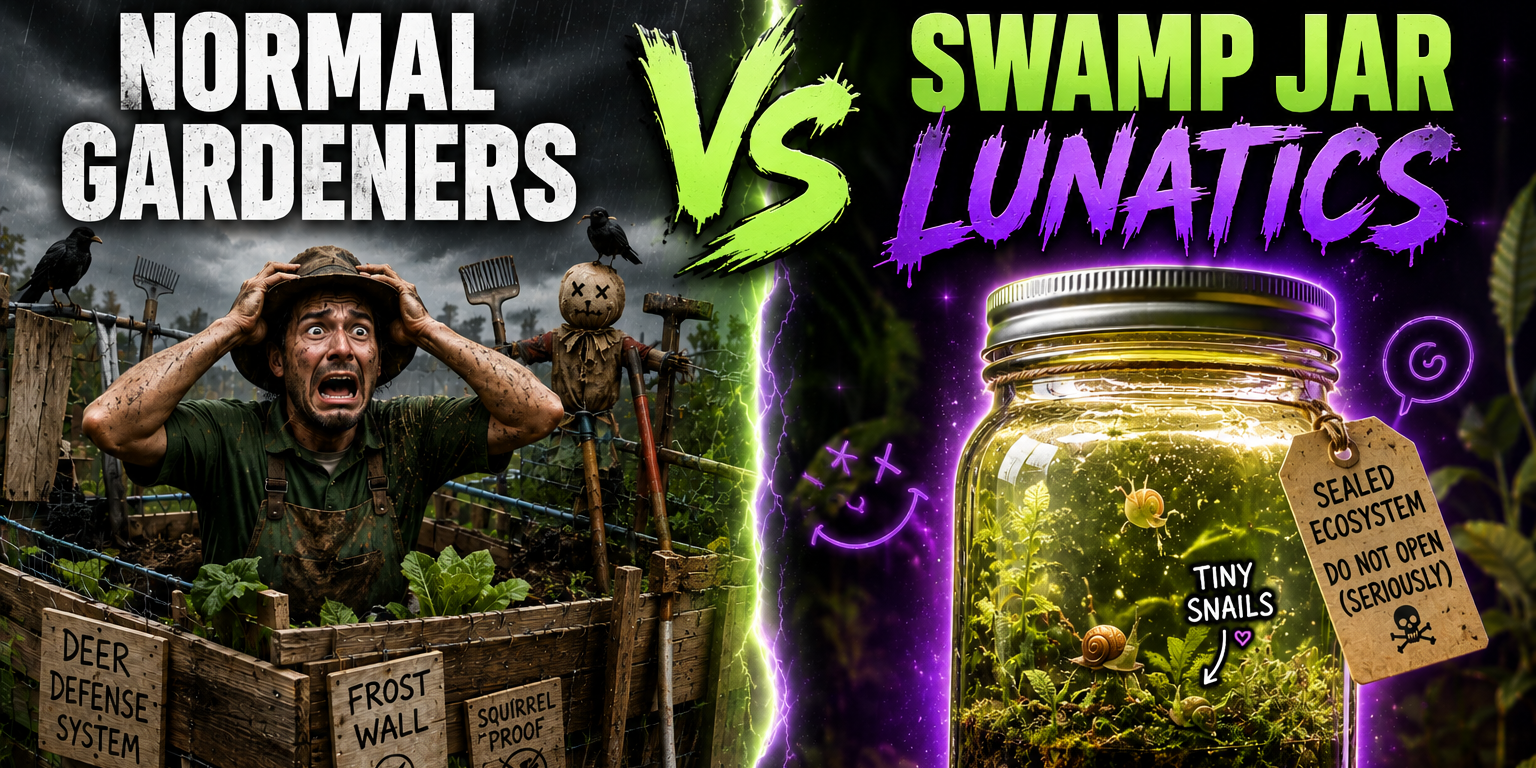
On the surface, gardening communities look practical. Inside r/gardening and r/vegetablegardening, exhausted people are locked in ongoing negotiations with insects and heat. They talk about weather the way sailors once talked about storms. Their raised beds are engineered like small military fortresses. Shade placement, soil temperature, pest defense. It reads less like a hobby and more like a tactical operation.
That's the surface layer.
Go one level deeper inside the communities we've been tracking, and something stranger appears: the electroculture people, the copper antenna people, the "the soil is communicating with us" people.
These gardeners have stopped planting vegetables and started conducting experiments. Copper rods in the ground because TikTok suggested atmospheric electricity might help tomatoes grow. Fungal network discussions with the intensity of Cold War physicists. Substacks that read like philosophical manifestos about dirt.
Writers like Niall McCrae pushed gardening away from "how to grow carrots" advice into something more existential. Suddenly entire communities are organized around biodiversity, microbial ecosystems, regenerative growing, "living soil", as if they are rebuilding civilization from compost.
A generation that spent ten years keeping one nervous monstera alive in a small apartment has discovered backyards. Creators like Kevin Espiritu opened the door. TikTok gardeners like Tanner Mitchell and @SproutSlut have gone much further, convincing people to turn suburban yards into dense food forests that look capable of hiding a small pagan society.
But none of these are the community that stopped us mid-mapping session. That one lives inside r/Jarrariums.
The swamp jar people.
A jarrarium is exactly what it sounds like. You take a glass jar (old pasta sauce, pickle, doesn't matter) and fill it with layers of gravel, soil, plants, algae, and pond water. Usually one snail. The method partly evolved from the work of Diana Walstad, whose ideas about self-sustaining planted tanks accidentally inspired one of the internet's most wonderfully specific micro-communities.
Then comes the important part.
You seal the jar. Forever. No cleaning, no maintenance, no interference. The ecosystem lives or dies on its own terms. Plants create oxygen, organisms die. Other organisms eat them. Algae blooms. Bacteria negotiate invisible treaties. Sometimes the whole thing balances into a miniature underwater forest. Sometimes one horrifying worm becomes the apex predator of the jar.
Both outcomes are celebrated with equal enthusiasm.
The community is currently obsessed with something called "wild harvesting": people climbing into drainage ditches, collecting parking lot puddle water, scooping weeds from local ponds, then dropping everything into jars to see what survives. The comments read like nature documentaries written by sleep-deprived philosophers.
"My snail survived the algae collapse."
"There's a flatworm now."
"I think the copepods established a stable population."
Nobody in this community is trying to be productive. There's no content strategy, no audience growth, no monetization. Just months of emotional investment in the political stability of organisms living inside old pickle jars.
Why this keeps showing up in our data
One pattern we've noticed while mapping communities through Grivio is that hobbies rarely stay practical for very long. People come for the skill, but they stay for something harder to name. Control, maybe, or fascination, or just the pleasure of watching a small system find its own balance.
The jarrarium community is an extreme version of something that shows up everywhere: communities that organize around a shared relationship with complexity. Not mastery of a topic, but ongoing curiosity about how things work when left alone. That's actually a different kind of community than most platforms are built for.
Most discovery tools surface communities by size or activity. Grivio is trying to map them by what they're actually about. which means finding spaces like this one before they hit 100k members and become mainstream. The internet is still full of tiny worlds most people never notice until suddenly they become obsessed. The electroculture gardeners, the swamp jar philosophers, the people who seal ecosystems in jars and watch what happens for six months.
We think finding those worlds — before they're obvious — is worth doing.
If you find a community you'd love to see on grivio, let us know!